Facebook
 X
 Pinterest
 Copy Link
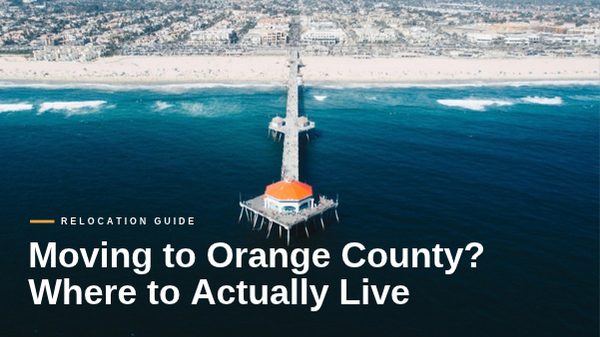
If you’re moving to Orange County, the first question usually isn’t about price. It’s “Where should we even look?” That’s fair. Orange County has 34 cities, and from the outside they can blur together into one long stretch of freeway, palm trees and shopping centers.
They’re not the same, though. Living a few blocks from the sand in Huntington Beach feels completely different from living in a newer Irvine village or on a hillside in Yorba Linda. The weather changes, the commute changes, and so does what your budget buys.
So instead of ranking cities, I’d rather help you sort them by the kind of life you want. Once you know which bucket you’re in, the list gets a lot shorter.
Start with the budget reality
Let’s get the number out of the way first. Redfin reported Orange County’s median sale price at about $1.2 million in September 2026, with homes taking a median of 47 days to sell. That’s a countywide figure, so some cities run well above it and others come in below.
In practical terms, $1.2 million might buy a single-family home in one city and a townhome in the next one over. That’s why I suggest choosing your lifestyle and your budget at the same time. Otherwise, it’s easy to fall in love with an area that doesn’t fit the numbers.
The weather really does change in a few miles
This is the part newcomers underestimate most. Orange County may be one county, but the ocean controls the temperature, and its influence fades quickly as you move inland.
According to WeatherSpark’s climate averages, late-August highs run about 76°F in San Clemente and around 78°F in Huntington Beach. Drive 20 or so miles inland, and the picture changes. The average high in Orange reaches about 85°F, and Yorba Linda sits closer to 87°F.
Keep in mind those are long-term averages, not promises. This past August, we broke 90 degrees here in Huntington Beach more than once, and plenty of days ran about 10 degrees warmer than the averages suggest. When the coast hits 90, inland cities can push into the high 90s or past 100.
That gap affects more than comfort. It shapes how much you’ll run the AC, whether a pool feels like a must-have, and how often you’ll actually use the backyard in August. On the coast, the trade-off is the marine layer. Many beach-area mornings start gray in May and June, and the clouds don’t always burn off by afternoon.
If you’re torn between the coast and inland, try visiting both on the same hot summer day. You’ll feel the difference within a few minutes of getting out of the car.
If you want the beach to be part of everyday life
This is the bucket most people picture when they think of Orange County. Huntington Beach, Newport Beach and Seal Beach sit right on the coast, and so do Dana Point and San Clemente further south.
The appeal is simple. You can walk or bike to the water, summers stay milder, and weekends basically plan themselves. Here in Huntington Beach, a normal Saturday might mean a morning walk on the pier, coffee downtown and a few hours at the beach before dinner.
There are trade-offs worth knowing about, too. Coastal homes cost more per square foot, lots tend to be smaller, and early summer brings a marine layer locals call “June gloom.” Some buyers love the cool, gray mornings. Others discover they really wanted sunshine and end up a few miles inland.
Good fit if: being near the water matters more to you than square footage.
If you want central, practical and a little more house for the money
Not everyone needs an ocean view from the kitchen. Plenty of people just want to live close to everything without paying beachfront prices. For them, I usually point to Fountain Valley, Costa Mesa, Garden Grove and Tustin.
These cities keep you within a short drive of the beach, John Wayne Airport and the major freeways. Many neighborhoods date to the 1960s and ’70s, so you’ll find established streets, mature trees and single-story homes on decent-sized lots. Fountain Valley, for example, is known for quiet residential tracts and Mile Square Regional Park.
The catch is that older homes often need updates. If you’re comfortable taking on a project, this bucket can offer the best mix of location and value in the county. (If you’re weighing that trade-off, my post on whether to remodel or move walks through the math.)
Good fit if: you want a solid home in a convenient spot and don’t mind a few updates.
If you want newer homes, planned neighborhoods and lots of parks
Irvine is the best-known example. Much of the city grew as master-planned “villages,” each with its own parks, pools and walking paths. South County communities like Ladera Ranch, Rancho Mission Viejo and parts of Mission Viejo follow a similar idea.
Families often like this bucket for its consistency. Homes are generally newer, green space is built into the neighborhoods, and day-to-day life can feel very organized.
Before you buy, look closely at two costs that don’t appear in the list price: HOA dues and Mello-Roos. Mello-Roos is a special tax many newer California communities use to pay for roads, schools and other infrastructure. It can add a meaningful amount to your annual bill, so ask for the exact figure on any home you’re considering.
Good fit if: you value newer construction, amenities and planned community features.
If you want more space and a quieter pace
Some buyers moving here come from places where a big yard is normal. If that’s you, look at the hills. Yorba Linda, Anaheim Hills, Villa Park and parts of Orange tend to offer larger lots, more privacy and views.
You’ll give up the ocean breeze, and inland summers run noticeably hotter. Commutes to the coast or to Irvine can also take longer. In addition, homes near open hillsides may face higher insurance costs or fewer insurance options, so get quotes early instead of waiting until escrow.
Good fit if: room to spread out matters more than being close to the coast.
Orange County cities at a glance
If you want a quick reference, here’s how I’d describe some of the cities people ask about most. It isn’t every city in the county, but it’s a good place to start.
- Huntington Beach: Close to 10 miles of beach, a lively downtown around the pier, and shopping at Pacific City and Bella Terra. It’s mostly flat, with the 405 along its northeast side.
- Fountain Valley: Quiet, central and very residential. Mile Square Regional Park is the centerpiece, and the 405 runs right through town.
- Costa Mesa: Home to South Coast Plaza and minutes from John Wayne Airport, with easy access to the 405, 55 and 73.
- Newport Beach: Harbor living, Balboa Island and Fashion Island, at the top end of the county’s price range.
- Irvine: Master-planned villages, UC Irvine and Irvine Spectrum Center. Expect newer homes, HOAs and, in many areas, Mello-Roos.
- Tustin: Old Town Tustin’s small-town feel alongside newer homes near Tustin Legacy, with quick access to the 5 and 55.
- Garden Grove: Often more approachable on price, with established neighborhoods and access to the 22 and 405.
- Orange: Old Towne Orange’s historic downtown, plus hillier neighborhoods on the east side. Because it’s inland, summers run warm.
- Anaheim Hills and Yorba Linda: Larger lots, hillside views and a quieter pace. The 91 freeway is the main route in and out, and it gets busy.
- Mission Viejo: A master-planned South County city with a private resident lake and The Shops at Mission Viejo, right off the 5.
- Dana Point and San Clemente: Smaller South County beach towns, with a harbor in Dana Point and a classic surf-town pier in San Clemente. They’re farther from central OC, but the summer weather is hard to beat.
Quick picks by what you want
- Hillside homes and views: Anaheim Hills, Yorba Linda, east Orange, Laguna Niguel
- Major shopping: South Coast Plaza (Costa Mesa), Fashion Island (Newport Beach), Irvine Spectrum Center (Irvine)
- Easy freeway access: Fountain Valley, Costa Mesa, Tustin, Orange
- Close to John Wayne Airport: Costa Mesa, Newport Beach, Irvine, Santa Ana
- Walkable downtowns: Downtown Huntington Beach, Old Towne Orange, Old Town Tustin, Main Street in Seal Beach
- Coolest summers: the beach cities, from Seal Beach down to San Clemente
How to narrow it down before you buy
Once you’ve picked a bucket or two, a few simple steps can save you from an expensive surprise.
- Drive the commute at rush hour. A 20-minute drive on Sunday can turn into 50 minutes on a Tuesday morning, especially on the 405.
- Visit twice. See the area on a weekday evening and again on a weekend. Downtown Huntington Beach on a summer Saturday feels very different from a quiet weeknight.
- Check the school district by address. City lines and school district lines don’t always match. Huntington Beach, for instance, has several elementary school districts, so confirm the exact schools for any home you like.
- Ask about the hidden costs. HOA dues, Mello-Roos, insurance and utilities can shift your monthly payment more than people expect.
- Consider renting first. If you truly can’t decide, renting for six months to a year gives you time to learn the county before you commit.
The bottom line
There isn’t one “best” place to live in Orange County. There’s the best place for how you want to spend your days and the budget you want to spend them on. Start with the lifestyle, test the commute, and run the real monthly numbers before you fall in love with a house.
If you’re thinking about moving to Orange County and want help sorting through the options, I’m always happy to talk it through. I can share recent sales, show you what your budget looks like in a few different areas, and give you an honest local take on each one.
James Cool, The Cool Realtor